
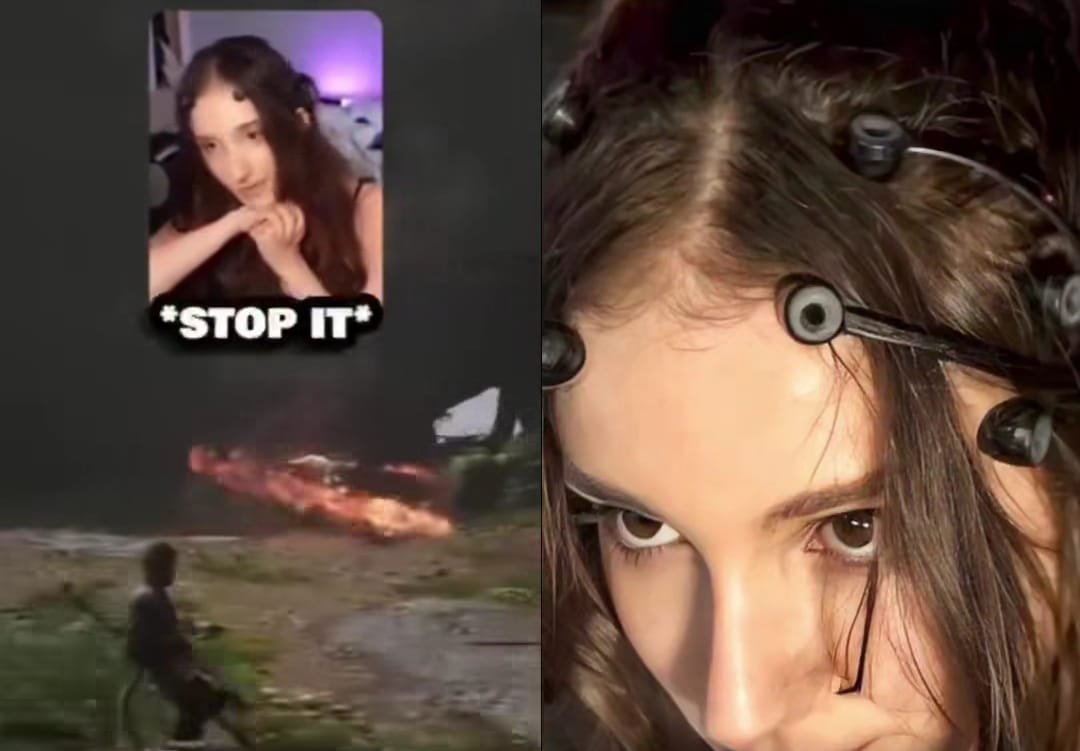
In a groundbreaking display of innovation, a Twitch streamer has captivated audiences by using her brain as the sole controller to play a video game—thanks to cutting-edge EEG (electroencephalogram) technology. This fascinating experiment not only highlights the future of gaming but also demonstrates the immense potential of brain-computer interfaces (BCIs) in everyday life.
What is EEG Technology?
EEG (electroencephalogram) technology works by detecting electrical activity in the brain through sensors placed on the scalp. Traditionally used in medical settings to monitor brainwaves, EEG is now making its way into interactive technologies, including gaming, healthcare, and even education. By converting brain signals into digital commands, users can control external devices without the need for physical movement.
Gaming Meets the Mind
The Twitch streamer connected her EEG headset to a custom software platform that translated specific brainwave patterns into in-game actions. For example, focusing intensely on a task might make the character move forward, while relaxation could trigger another command. The stream, watched by thousands, was both entertaining and awe-inspiring, leaving viewers stunned by the possibility of a “hands-free” gaming future.
Beyond Entertainment: The Bigger Picture
While this experiment entertained fans, it also revealed a glimpse of life-changing applications. Brain-controlled gaming can pave the way for accessibility solutions, giving people with physical disabilities new ways to enjoy interactive entertainment. Moreover, the same EEG-based control systems could be adapted for smart homes, robotic assistance, or even workplace productivity.
The Road Ahead
Though still in its early stages, brain-computer interface technology is evolving rapidly. With advancements in AI, neuroscience, and hardware design, it’s only a matter of time before EEG and similar technologies become a standard feature in gaming setups and beyond. Imagine a world where your thoughts, not your hands, control your digital experience—that future may be closer than we think.