
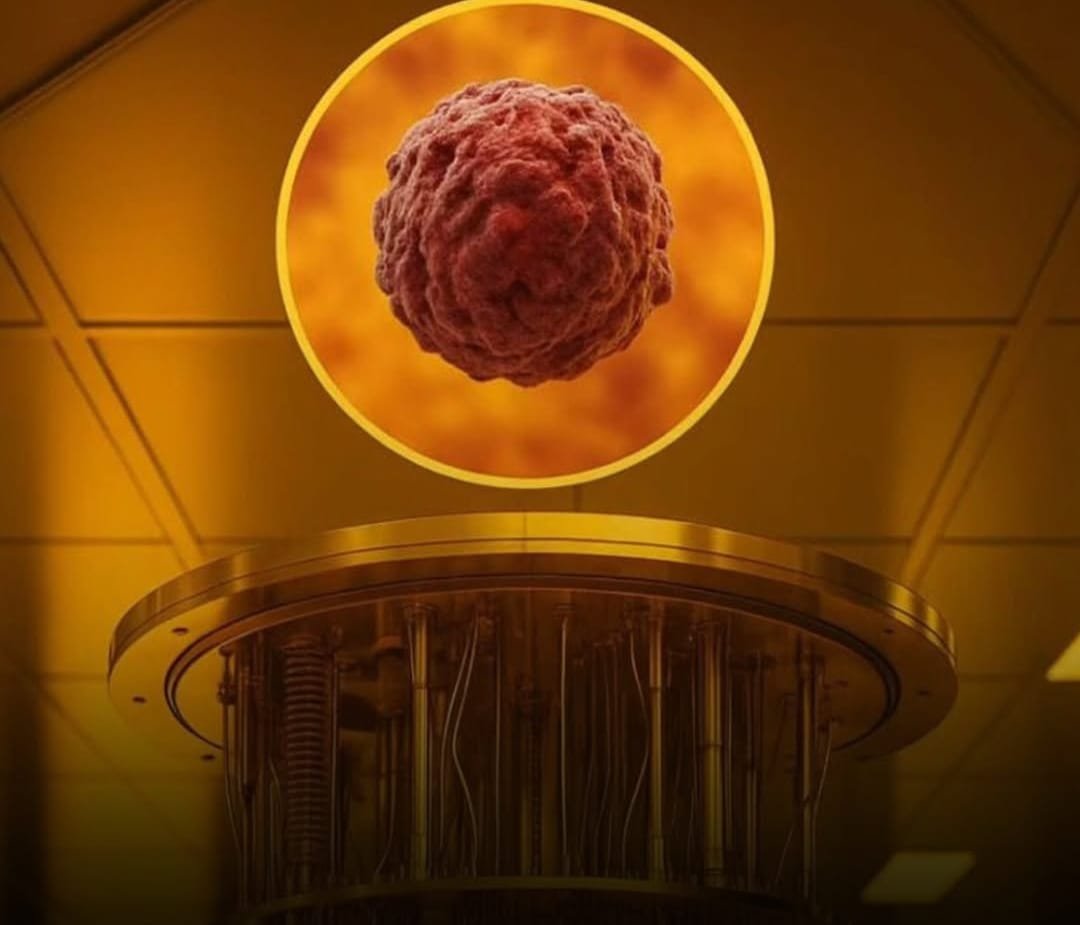
The Future of Medicine: AI and Quantum Computing to Revolutionize Cancer Diagnosis and Cure by 2030
Introduction
The fight against cancer has long challenged humanity, with millions of lives impacted each year. Despite tremendous progress in medical research, cancer diagnosis and treatment often remain slow, costly, and uncertain. However, by 2030, the fusion of Artificial Intelligence (AI) and Quantum Computing is set to transform healthcare, promising a world where cancers can be diagnosed and potentially cured within a single week.
The Current Challenge
Cancer treatment today involves multiple stages — detection, diagnosis, staging, and therapy. Traditional methods such as biopsies, MRI scans, and genetic sequencing take days or even months to provide actionable results. Moreover, treatments like chemotherapy and radiation are not always precise, often causing significant side effects. A breakthrough that combines speed, accuracy, and personalization has long been awaited.
AI: The Brain of Medical Breakthroughs
AI has already shown remarkable promise in healthcare, particularly in analyzing medical images, predicting tumor growth, and recommending treatment plans. By 2030, AI algorithms will have access to massive datasets of patient histories, clinical trials, and genomic information. This will allow them to:
1.Detect cancer at its earliest stage with near 100% accuracy.
2. Recommend personalized treatment plans based on genetic and lifestyle factors.
3. Continuously learn and improve with every patient interaction.
4. AI will act as the “brain,” making sense of vast amounts of medical data at lightning speed.
Quantum Computing: The Muscle Behind the Revolution
While AI provides intelligence, Quantum Computing offers the computational power needed to solve problems previously considered impossible. Unlike classical computers, which process data sequentially, quantum computers can analyze millions of molecular interactions simultaneously. In the context of cancer:
Quantum simulations can model how specific drugs interact with cancer cells.
Complex genetic codes can be decoded faster than ever before.
Treatment timelines can be reduced from years to days.
By combining AI’s decision-making abilities with quantum computing’s processing power, researchers envision a healthcare system capable of identifying the most effective treatment within hours, not months.
The Promise of 2030
1.By the end of this decade, AI and quantum computing will converge to create a radically new approach to oncology:
2.Diagnosis in real-time using AI-enhanced imaging and genomic scans.
3.Drug discovery within days, as quantum computers model and test compounds virtually.
4.Treatment customization, with therapies tailored to the individual’s genetic makeup.
5.Faster recovery, as side effects are minimized and treatments directly target tumors.
6.This transformation could save millions of lives annually and dramatically lower the costs associated with cancer care.
Conclusion
The year 2030 may well mark a turning point in the history of medicine. With AI and quantum computing working hand in hand, cancer — once considered one of humanity’s greatest challenges — could become a rapidly diagnosable and curable disease. The future of healthcare lies not just in technology but in its ability to redefine hope for patients worldwide.